It's easy to see how a dusty, dirty house can be a nightmare for allergy sufferers. However, some cleaning methods can actually worsen symptoms. If you or a family member have allergies, it's worth it to adopt cleaning habits that reduce your exposure to allergens and certain chemicals.
Protect Yourself From Dust
Household dust contains several allergens including pet dander, pollen, mold spores and dust mite feces. Sounds pretty disgusting, doesn't it? Using a traditional feather duster just scatters the dust back into the air for you and your family members to breath in.
Try using a cloth lightly dampened with water or special dusting sprays designed for those with allergies. Dust will stick to it instead of flying away. A vacuum with a dusting attachment and HEPA filter is also a good option. Those with severe allergies should wear a face mask while dusting to further protect themselves.
It's best to try to reduce the amount of dust that comes into your home in the first place. Some things to try:
- Take off outdoor shoes before entering the home.
- Keep windows and doors shut as much as possible.
- Groom pets outdoors.
- Have your home’s heating and cooling ducts checked for leaks and have them cleaned regularly.
- Use high quality filters in your furnace and air conditioner.
You can prevent dust from accumulating by reducing the number of items you display on shelves and walls, replacing carpeting with hardwood flooring and regularly cleaning upholstered furniture.
Use Non-Toxic Cleaners
Many commercial cleaning products contain scents and other chemicals that can trigger allergy symptoms. Some ingredients that people are commonly sensitive to are ammonia, formaldehyde, sodium lauryl sulphate, sodium hypochlorite and d-limonene.
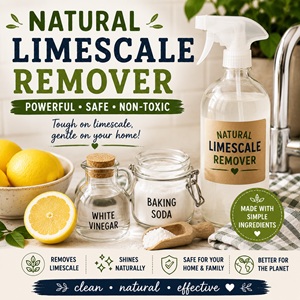
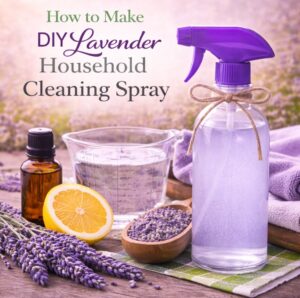
It's best to use simple homemade cleaning solutions whenever possible. These are not only less likely to trigger a reaction, the short ingredient list makes it much easier to track down what is causing a reaction if you do have one. Baking soda and vinegar are time honored green cleaners that most people can use with no problems.
If you must use strong commercial cleaners for certain jobs, be sure to protect yourself with a face mask, gloves and work in a well-ventilated area.
Learn How to Wash Laundry to Eliminate Allergens
While many of today’s detergent brands will do a fine job of making laundry visibly clean using only cold water, it isn’t ideal for getting rid of dust mites. To keep dust mites under control, try these tips:
- Wash in hot (140F water) and/or use a special anti-allergen detergents or additives.
- Tumble dry in a hot dryer for at least 10 minutes.
- Cover mattresses and pillows with special covers designed to keep dust mites out.
- Regularly wash and dry all stuffed animals or seal them in plastic garbage bags and leave them in a hot place such as an attic, car trunk or shed for at least 48 hours.
- Use an air purifier in bedrooms to remove dust mite particles from the air.
Allergy suffers should also be cautious about line drying, even indoors as it can attract mold and mildew spores.
For those who suffer severe allergies, it might be worth the expense to use the services of a cleaning crew that specializes in using green products in order to reduce exposure to allergens. This is especially advisable for deep cleanings to remove dust, mildew and mold from hidden areas.
Jacob Maslow is a writer for a web site that sells allergy bedding, cleaning supplies and other allergy control products.
Comment on this article or submit your tip to CreativeHomemaking.com.
Click here for a printer friendly version of this page.
Follow me on Pinterest.
Receive new article links via Twitter!
Follow Creative Homemaking on Facebook!
Recommend this article to a friend!
Search our article archives.
Click here to subscribe to our weekly newsletter.
|