Creative Homemaking . . . Dedicated to your homemaking needs
~   Cleaning tips for kitchens, bathrooms, carpets, stain removal, laundry   ~
Sign up for our newsletter to receive new articles every week
DIY / HOUSEKEEPING HOME REMEDIES HOME DECOR OUR E-BOOKS MOTHER'S DAY HOLIDAYS FRUGAL LIVING ORGANIZE
CANNING / PRESERVING CANNING TOTALS 2013 MAKE A MIX COOKING RECIPE DATABASE GARDENING MENU PLANNING PINTEREST
Rachel Paxton
About Me
E-BOOKS

POPULAR POSTS

Home => Cleaning => Rodents and Pests => Five Tips for Preventative Pest Control
Related Articles: The Secret to Effective Mouse Control | A Roach?!...Where?!

Five Tips for Preventative Pest Control

Getting rid of pests can be very expensive. Exterminators don't work cheap and they spray toxic chemicals that wreak havoc on any and every living thing – not just the pests. This is especially problematic for families that have young children or pets who are especially susceptible to the toxins in pesticides. The best approach, therefore, is to stop the problem before it starts and – to do this – we need to know how to make our homes as unwelcoming to pests as possible. Here are five easy enough ways to do that.

1. Cleanliness – This is easily the most important factor. Pests such as ants and roaches are attracted to organic messes such a crumbs and other food droppings. Simply taking a few seconds to wipe off the table after meal can work wonders for creating a less inviting environment for hungry insects. This also means regular dusting and sweeping. Not only does this removing breeding grounds for creepy crawly bugs but it also helps to disturb every area of your home fairly frequently. This prevents pests from finding some place to settle in – or worse – build a nest (like wasps).

2. Don't leave water uncovered – It's fairly common knowledge that mosquitoes breed in areas where they have easy access to standing water to accommodate their larvae. This means that leaving cups, basins, and tubs full of water lying around is little more than an invitation for mosquitoes to sell in your home. Pretty soon you'll see little larvae swimming in the water and – before you know it – your home can be overrun with tiny biting pests buzzing at all hours of the night.

3. Don't leave food out – Just like water, food left standing attracts its own set of pests. These include ants, roaches, and flies – all of which (but especially roaches) – have a nasty habit of being nearly impossible to get rid of once they take refuge in your home. Standing food doesn't just mean plates of half-eaten food left on the table though. Any form of exposed food – even uncooked – is an invitation to these pests. This means that bags of sugar, flour, rice, etc. should be kept safely out of the way in locked pantries or in refrigerators.

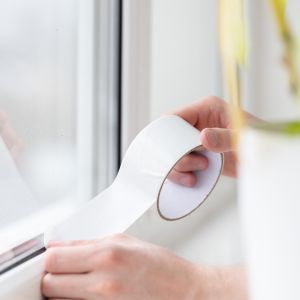
4. Keep all entrances to your home secure – When it comes to pests, doors and windows aren't the only entrances. Any hole that can accommodate a tiny ant is enough to let your home become infested and – yes – they will find that one little hole if there's food on the inside to attract them. Plug up all holes and ensure that as little space as possible is left between the bottom of doors and the floor. You should at least be able to keep out most insects this way and – if you follow the other tips – there shouldn't be any incentive for them to sneak in in the first place.

5. Finally, if you have a fluffy pet, keep him clean - Have all pets with fur groomed regularly or – at the very least – bathed regularly and treated with anti-flea medication to keep your family cat/dog from bringing in all sorts of insects from the outside world and depositing them all over the house. A little prevention goes a long way to saving money on extermination services.

This topic has been contributed by Todd; he likes to write when he’s free and enjoys tending to his garden. Todd works with Preventive Pest Control that specializes in pest control phoenix


Follow Me on Pinterest


Comment on this article or submit your tip to CreativeHomemaking.com.
Click here for a printer friendly version of this page.
Follow me on Pinterest.
Receive new article links via Twitter!
Follow Creative Homemaking on Facebook!
Recommend this article to a friend!
Search our article archives.
Click here to subscribe to our weekly newsletter.


Privacy Policy | Advertise | Affiliate Program | Contact Us
Copyright 1998 - 2013, Creative Homemaking, LLC.