Creative Homemaking . . . Dedicated to your homemaking needs
~   Vegetable gardening, growing flowers, herbs, landscaping, composting, and more   ~
CLEANING BUDGET PLANNER STAIN REMOVAL HOME DECORATING COOKING FRUGAL LIVING
GARDENING HOLIDAYS ORGANIZE RECIPE DATABASE MESSAGE FORUMS GROCERY PRICE BOOK
FLOWER GARDENING
Planting Bare Roots
Growing Dahlias
Growing Strong Bulbs
Dividing Your Perennials
Meadows of Wildflowers
Pruning Roses
Decorative Window Boxes
HERB GARDENING
Growing Lavender
Basil Fact Sheet
Indoor Herb Garden
Ginger Growing Guide
Growing Ginseng
Growing Garlic
Craft Supplies
Wooden Letters
GARDEN
Kid-Friendly Gardening
Growing Tomatoes
Growing Strawberries
Organic Composting
Growing Asparagus
How to Make Compost
Homemade Weed Killer
CONTAINER GARDENING
Summer Container Garden
Fruits and Vegetables
Ornamental Grasses
Growing Herb Plants
TREES AND SHRUBS
Spring Pruning
Transplanting Trees
Growing Fruit Trees
Tree Selection Checklist
Easy Care Shrubs
HOLIDAY GARDENING
Christmas Cactus
Potted Christmas Trees
Easter Lilies
GARDEN RESOURCES
EZ Up Canopy
Tents
Gas Logs
Mosquito Magnet
Storage Sheds
Home => Gardening => Composting => Adding Food to the Compost Pile
Related Articles: How to Make Compost | Organic Composting

Adding Food to the Compost Pile
by Marcelle Snyder

Description: Tips for what kinds of foods are good to add to your compost pile, including food items you should NOT add.

Decomposer organisms work best with as varied a diet as you feed them. The ingredients are all around us –almost anything that once lived is a candidate for the compost, so try for lots of variety to get a good mix of textures and plant nutrients.

In composting jargon, woody materials that are high in carbon (autumn leaves, paper, peat moss, sawdust, cornstalks, hay and straw, etc) are called “brown” ingredients.

Materials like garden refuse, manure, tea and coffee grounds, feathers, hair, and food scraps are high in nitrogen, or “green”.

Some materials can actually be both: for example, fresh grass clippings are “green”; however, dried grass is “brown”.

For successful results, you can use the simple rule that compost needs to be about half “brown” and half “green” by weight. Don’t bother to weigh your ingredients, though — an estimate is fine.

Composting soon becomes a matter of instinct, like the cook who bakes without a recipe. If the pile doesn’t heat up, you know there’s not enough “green” in the mix, but if you get a smell of ammonia from your pile, you know that it needs more “brown”.

Materials Good for the Compost:

GREEN Foods: Algae, Bone meal, Coffee grounds, Egg shells, Feathers, Flowers, Fruit and fruit peels, Grass clippings (fresh), Hair, Manure, Seaweed, Tea leaves, Vegetables and peelings

BROWN Foods: Buckwheat hulls, Coffee filters, Corn cobs, Cotton/wool/silk scraps, Grass clippings (dried), Hay, Leaves (dead), Paper, Peat moss, Pine needles, Sawdust, Straw, Tea bags

This list is far from complete. Anything organic can, in theory, be composted — some more easily than others. But common sense suggests a few exceptions. Please take heed because if you put any of the following materials in your compost bin, you are asking for trouble. So here goes:

Materials to Avoid:

  • Pet wastes can contain extremely harmful bacteria.
  • Rotting meat, fish, fats and dairy products are likely to smell and may attract four footed visitors.
  • Insect-infested or diseased plants may persist in the compost especially if the compost pile does not heat up very much.
  • Materials contaminated by synthetic chemicals or treated with herbicides or insecticides should never be used.
  • Weeds with mature seeds, and plants with a persistent root system (like crabgrass, ground ivy, or daylilies) may not be killed by the heat of the compost.
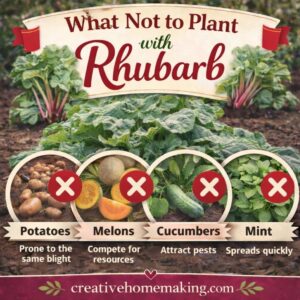
  • Leaves of rhubarb and walnut contain substances toxic to insects or other plants so most people choose not to compost them.

So now you have it: A list of the materials which can be part of the composting pile and those materials which must be absolutely left out of the compost pile no matter what.

A gardener for years, Marcelle has learned the value of composting and using it to put nutrients back into the soil. You can download her FREE 12-page Composting MiniHandbook at her blog: http://www.OrganicGardeningClub.com

Article Source: http://EzineArticles.com/?expert=Marcelle_Snyder


Comment on this article or submit your tip to CreativeHomemaking.com.
Click here for free cookbook download--great weeknight recipes!
Click here for a printer friendly version of this page.
Recommend this article to a friend!
Search our article archives.
Click here to subscribe to our weekly newsletter.
Join in a discussion or ask a question in our message forums.
Easy-to-use affordable grocery list software.
Ourstickfamily.com offers one of the largest selections of family stickers, family car decals, and stick family stickers. These easy to apply vinyl window family car stickers are available in several themes and sizes or customized to your request.


Google


Reprint Articles | Privacy Policy | Submit Article | Advertise | Affiliate Program | Contact Us
Copyright 1998 - 2008, Creative Homemaking, LLC. Clipart from CountryClipArt.com.