|
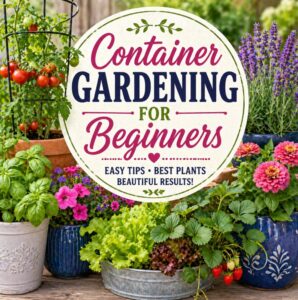
With spring right around the corner, how many green thumbs aren't itching to dig into that rich soil and start planting? If it's too wet in your yard, fear not. You can still indulge yourself with container gardening. Flowers, fruits, vines, vegetables and more are all possible when considering this versatile option for either outdoors or indoors.
Flowers
The hard-to-kill flowers grow well in sunny spots on your porch, deck, or patio. Some gardeners place them strategically around the yard, such as in corners or next to entrances and exits for the house and garage.
- Calibrachoa: Also called Million Bells, this common flower blossoms prolifically in a kaleidoscope of colors from white to deep purple. Properly fed and with good drainage, they brighten any spot and in the right container can add a touch of delicate elegance that belies their hardiness. The blossoms attract butterflies and hummingbirds, continuing nature's cycle.
- Osteosperum: Also known as Cape Daisy, these very hardy flowers survive multiple frosts and temperatures to 25 degrees Fahrenheit. Give them fertilizer and good drainage, and they can thrive from spring all the way into late autumn. The blossoms provide bright spots of color from a deep pinks through oranges to purple and white. Although the packages declare no deadheading—removing old blossom heads—is required, the plants do look better if you do. If they sprout too many legs without blossoming well, trim the extra legs back.
- Verbena: This robust flower loves lots of sun, and it shares space, light and water well with other plants. Often used as a highlight or a filler plant in container gardening, the densely clustered blooms splash dots of red or blue hither and yon as a great contrast with other plants. An average amount of water and deadheading keep verbena blooming all summer long.
Trees and Bushes
Bonsai trees aren't the only tree that do well in container gardening. A long list of trees, shrubs and vines complement the list of plants that thrive in containers to decorate empty space. Some include:
- Boxwood: An evergreen shrub that is highly popular for its greenery and its aroma as well as its adaptability to pruning. If you see a sculptured shrub, it could well be a boxwood.
- English Laurel: Generally used in hedges, this hardy plant still does well in containers. Often used in long tray containers along porches, decks and near swimming pools, they grow thick and dense if trimmed well.
- Clematis: This blooming vine offers graceful, purple flowers that can handle almost any climate, so long as you bring it indoors during the winter. This plant needs more depth than width, so provide a deep well for its roots. Support the vine as it grows and train it to follow the path you desire or keep it trimmed to prevent further expansion and watch it fill out with more blooms and more arms.
Fruits and Vegetables
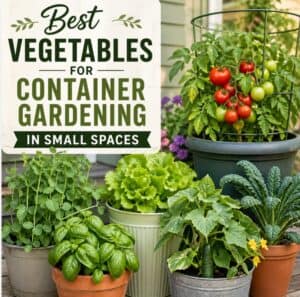
While there are more flowers that do well in container gardening, fruits and vegetables are often overlooked, with gardeners thinking that they take too much work. Fortunately, that's far from the truth. Some vine plants, such as tomatoes, peas, beans or strawberries, need dowel rod or lattice support, but their growing cycle can actually be extended indoors during winter months. For best results, lots of light and proper drainage are all that's required for indoor container gardening for fruits and vegetables.
Summary
Virtually any flower, tree, fruit or vegetable can grow in containers that grow in the ground. If you plant fruits and vegetables, know the individual plants will stop growing if they become root-bound. Watch natural height, though; some things don't change that much. Know your available light and shadows, wind patterns, and ambient lighting, and plan accordingly to enjoy your container garden for as long as you can.
JC Ryan is a freelance writer for MyCollegesandCareers.com. My Colleges and Careers helps people determine if an online education is right for them and helps them understand which online courses and online schools; they can choose from to reach their goals.
More related articles:
The Container Vegetable Garden
Edible Container Gardens
Container Garden Basics
Comment on this article or submit your tip to CreativeHomemaking.com.
Click here for a printer friendly version of this page.
Follow me on Pinterest.
Receive new article links via Twitter!
Follow Creative Homemaking on Facebook!
Recommend this article to a friend!
Search our article archives.
Click here to subscribe to our weekly newsletter.
|