This post may contain affiliate links.
Are you looking to fertilize your hostas and wondering where to start? Hostas are beautiful and easy-to-grow plants that can thrive in a wide range of soil conditions. However, to keep them healthy and looking their best, you need to fertilize them regularly. In this article, I’ll guide you through the process of fertilizing your hostas, from choosing the right fertilizer to applying it correctly.
Related Article: Planting Guide for Chrysanthemums
Why Fertilize Hostas
Want to try making your own jelly at home?
Get my free guide with 8 easy, beginner-friendly jelly recipes you can confidently make.
Hostas are low-maintenance plants that can thrive in a variety of conditions, including shade and sun. However, fertilizing hostas can help improve their appearance and overall health.
See Today’s List of Best Organic Garden Fertilizers
Fertilizing hostas provides essential nutrients like nitrogen, phosphorus, and potassium that are necessary for plant growth. These nutrients can help hostas grow larger and stronger, produce more foliage, and even bloom more vibrantly.
It’s important to note that hostas don’t require much fertilizer, but feeding hostas may be a good idea if your soil is poor or if your hosta isn’t growing and thriving as it should.
Knowing how and when to fertilize hostas can improve their appearance in the garden and help them reach their mature height.
When selecting a fertilizer for hostas, it’s best to find one that is specifically designed for them. A slow-release fertilizer with a balanced NPK (nitrogen, phosphorus, and potassium) ratio of 10-10-10 or 5-10-10 is ideal. You can also use organic fertilizers like animal manure or compost to feed your hostas.
Related Article: What to Plant in October: A Guide to Fall Gardening
It’s important to fertilize hostas in the early spring and late summer when they are actively growing. Avoid fertilizing hostas in the fall and winter when they are entering dormancy.
Over-fertilizing can lead to problems like fungal disease or slug infestations, so be sure to follow the instructions carefully.
In addition to fertilizing, other factors like soil pH, drainage, and sunlight can impact the health of your hostas. Conducting a soil test can help you determine if your soil is too acidic or alkaline for your hostas. Adding organic matter like compost or mulch can also help improve soil quality and drainage.
Overall, fertilizing hostas is an important part of their care and maintenance. With the right nutrients and growing conditions, your hostas can produce beautiful foliage and blooms year after year.
Related Article: Planting Guide for Hostas
When to Fertilize Hostas
To keep your hostas healthy and thriving, it’s important to know when to fertilize them. Fertilizing hostas can be tricky, as too much or too little fertilizer can harm the plant.
The best time to begin feeding the hosta is in the spring season when the leaves emerge from the ground. This is typically any time from late March through April and into May (depending upon the local climate).
Apply a granular slow-release fertilizer around the base of the plant. Try not to get the fertilizer on the sprouts, but if you do, just wash them off with water.
Related Article: How to Store Iris Bulbs: Simple and Effective Tips
It is recommended to fertilize hostas twice a year, in the spring and summer. It is important not to over-fertilize, as this can cause excessive growth and can make the plants more susceptible to disease. The best time of year to fertilize hostas is in the spring when new growth is beginning to emerge.
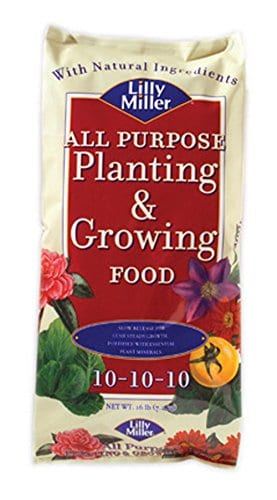
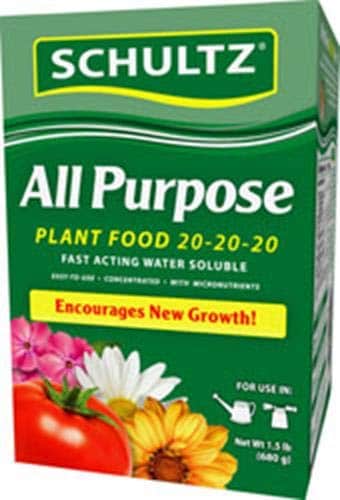
Lilly Miller All Purpose Planting And Growing Food 10-10-10 16lb Schultz 1.5# All Purpose Water Soluble Plant Food
However, once hostas begin to bloom, their foliar growth slows down as energy is directed to the production of flowers and seeds. Their need for nitrogen will also drop at this time. Don’t feed your plants after mid- to late summer.
During the winter months, hostas go into dormancy and do not require fertilization. It is best to wait until early spring to fertilize the hostas again.
Related Article: The Best Shade Plants for a Shady Side of a House
Types of Fertilizers for Hostas
When it comes to fertilizing your hostas, there are different types of fertilizers you can use. Each type of fertilizer has its own benefits and drawbacks. Here are the three main types of fertilizers you can use for your hostas:
Slow-release Fertilizers
Slow-release fertilizers are granular fertilizers that release nutrients slowly over time. These fertilizers are great for hostas because they provide a steady supply of nutrients to the plant. Slow-release fertilizers are also easy to apply and require less frequent applications compared to other types of fertilizers.
One slow-release fertilizer that is great for hostas is the Down To Earth Starter Mix. This fertilizer is organic and contains a blend of natural ingredients that are designed to promote healthy root growth.
Another slow-release fertilizer that is great for hostas is the Espoma Bio-Tone Starter Plus. This fertilizer contains beneficial microbes that help improve soil health and promote strong root growth.
Water-soluble Fertilizers
Water-soluble fertilizers are fertilizers that dissolve in water and are applied to the soil through irrigation. These fertilizers are great for hostas because they provide a quick boost of nutrients to the plant. Water-soluble fertilizers are also easy to apply and can be used to correct nutrient deficiencies.
One water-soluble fertilizer that is great for hostas is the Espoma Holly-Tone. This fertilizer is specifically formulated for acid-loving plants like hostas and contains a blend of natural ingredients that promote healthy growth and vibrant foliage.
Another water-soluble fertilizer that is great for hostas is the Miracle-Gro All-Purpose Plant Food. This fertilizer is easy to apply and provides a quick boost of nutrients to the plant.
Related Article: Why Doesn’t My Hydrangea Bloom?
How to Fertilize Hostas
When applying fertilizer, make sure to follow the instructions on the package. Over-fertilizing can damage the hosta plant. Apply fertilizer evenly around the base of the plant, avoiding the leaves.
You can also use a foliar spray every week or two in the early morning or evening for top-notch hostas.
Timing is Everything
Fertilize your hostas once a year with a slow-release fertilizer in the spring. You can also fertilize your hostas once a month with a water-soluble fertilizer during the growing season. Make sure to stop fertilizing by late summer to allow hostas to harden off before winter.
Related Article: How to Fertilize Blueberry Bushes
Fertilizing Hostas in Containers
If you’re growing hostas in containers, it’s important to fertilize them properly to ensure healthy and vigorous growth. Container-grown hostas have different nutritional needs than those grown in beds, so it’s important to understand how to fertilize them correctly.
When it comes to fertilizing hostas in containers, there are a few things to keep in mind. First and foremost, make sure you’re using a slow-release fertilizer that will provide your plants with a steady supply of nutrients over time.
This will help prevent over-fertilization and ensure that your hostas are getting the nutrients they need to thrive.
Related Article: How to Transplant Hostas: A Beginner’s Guide
In addition to using a slow-release fertilizer, it’s also important to incorporate organic matter into your container soil. This will help improve soil structure and fertility, which in turn will promote healthy root growth and overall plant health.
You can add organic matter in the form of compost, aged manure, or other organic materials.
When it comes to watering your container-grown hostas, it’s important to strike a balance between keeping the soil moist and avoiding overwatering. Hostas prefer consistently moist soil, but they don’t like to be waterlogged.
To achieve the right balance, water your hostas deeply and thoroughly, then allow the soil to dry out slightly before watering again.
Finally, consider using organic mulch around the base of your container-grown hostas. This will help retain moisture in the soil, suppress weeds, and provide a slow-release source of nutrients as the mulch breaks down over time.
Related Article: How to Divide and Transplant Iris Bulbs
Hosta Care and Maintenance
When it comes to caring for hostas, there are a few things you need to keep in mind to ensure they thrive. Here are some tips to help you keep your hostas healthy and looking their best.
Watering
Hostas need consistent moisture to thrive, but they don’t like to be waterlogged. You should water your hostas deeply once a week, or more often during hot, dry weather.
Make sure the soil is moist to a depth of at least six inches. Avoid getting water on the leaves, as this can promote fungal diseases. Water in the morning so the leaves have time to dry before evening.
Mulching
Mulching is important for hostas because it helps retain moisture in the soil and suppresses weeds. Apply a layer of organic matter, such as shredded leaves or compost, around the base of your hostas. Make sure the mulch is no more than two inches deep and keep it away from the stems to prevent rot.
Soil Test
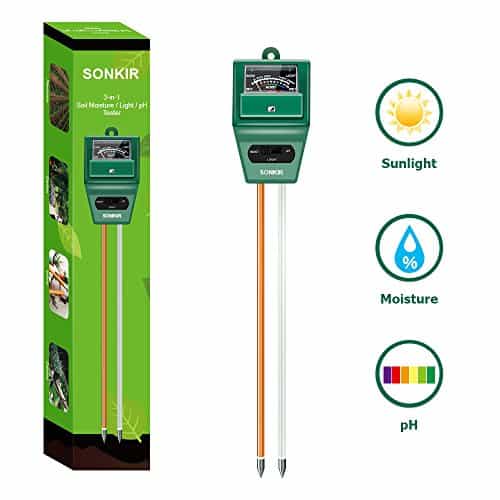
Testing your soil is important to ensure your hostas are getting the nutrients they need. You can use an inexpensive soil test kit to check the pH of your soil. Hostas prefer slightly acidic soil with a pH between 6.0 and 7.5.
If your soil is too alkaline, you can lower the pH by adding elemental sulfur. If it’s too acidic, you can raise the pH by adding lime.
Disease Control
Hostas are susceptible to fungal diseases, such as leaf spot and crown rot. To prevent these diseases, avoid overhead watering and provide good air circulation around your hostas. You can also use a fungicide, such as copper spray or neem oil, to control fungal diseases.
Pest Control
Hostas are a favorite food of slugs, snails, and deer. To prevent damage from these pests, you can use a slug and snail bait or set up a barrier around your hostas. Deer can be deterred by using a deer repellent or planting deer-resistant plants nearby.
Frequently Asked Questions
Is bone meal a good fertilizer for hostas?
Yes, bone meal is a good fertilizer for hostas. It’s a natural source of phosphorus, which is essential for root development and flower production. However, it’s important to use bone meal sparingly as it can raise the soil pH and attract rodents.
How do I make my hostas thrive?
To make your hostas thrive, you should provide them with the right growing conditions. Hostas prefer partial shade to full shade and moist, well-draining soil. You should also fertilize your hostas regularly with a balanced fertilizer and water them deeply once a week.
What is NPK 10-10-10 fertilizer and can it be used on hostas?
NPK 10-10-10 fertilizer is a balanced fertilizer that contains equal amounts of nitrogen, phosphorus, and potassium. It’s a good choice for hostas as it provides them with the nutrients they need to grow and thrive. You can use NPK 10-10-10 fertilizer on your hostas by applying it according to the package instructions.
Follow my gardening board on Pinterest




What proportion of epsom salt to water?