This post may contain affiliate links.
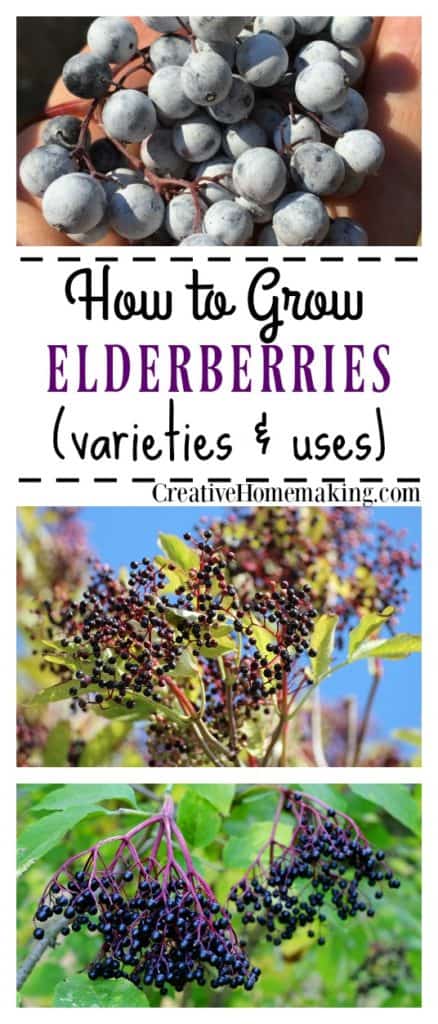
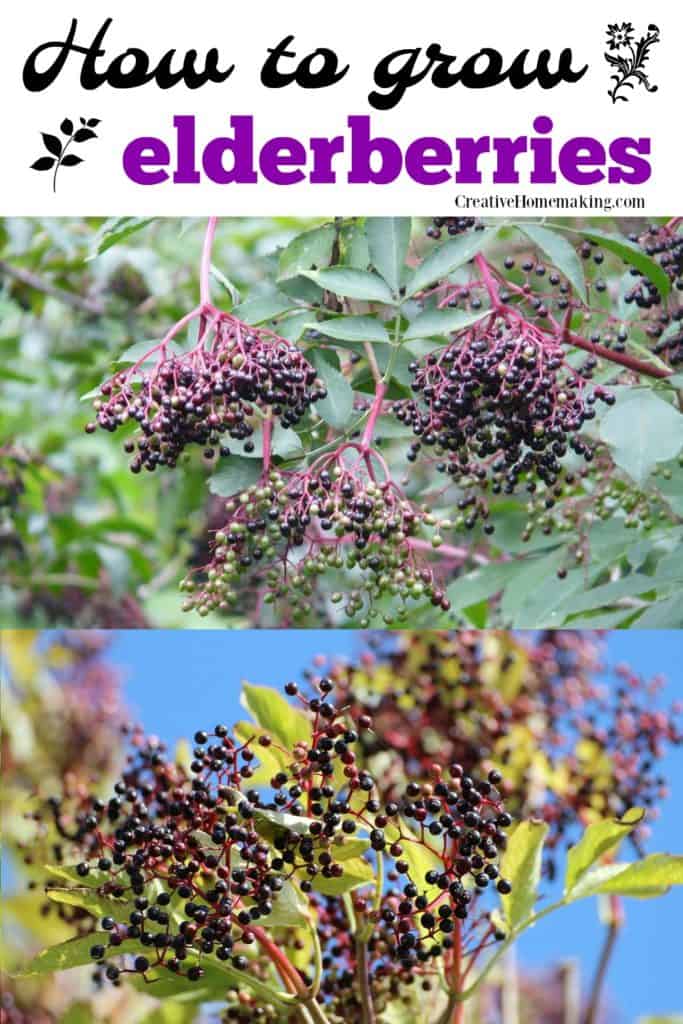
If you have room for only one edible plant, consider growing elderberries. This arching eight-foot tall shrub is easy to grow, anchors the mixed border with its bold compound foliage and flowers, and of course, provides glorious clusters of shiny, dark purple berries.
Elderberries come in a variety of cultivars and species. The American species is Sambucus canadensis. Look for this species if you want to harvest as many berries as possible.
‘Nova’ and ‘York’ are the two cultivars that set the biggest crops. Although these varieties are self-fruitful, you’ll get a bigger crop with two plants because they cross-pollinate one another for larger yields.
Want to try making your own jelly at home?
Get my free guide with 8 easy, beginner-friendly jelly recipes you can confidently make.
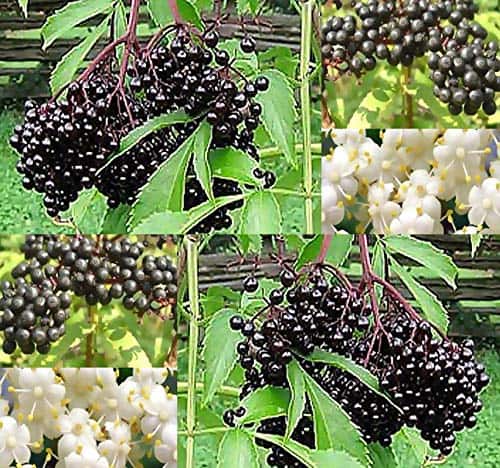
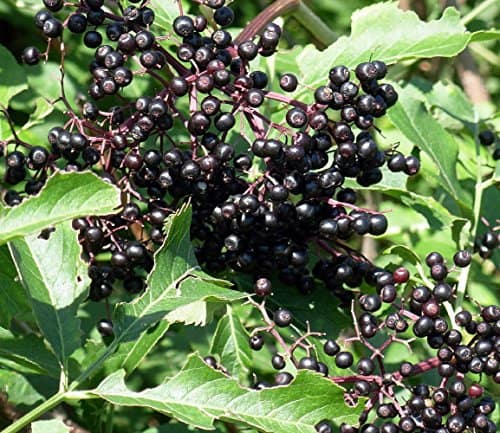
Big Pack – (1,000) American Elderberry Seeds – Sambucus Canadensis – Non-GMO Seeds by MySeeds.Co (Big Pack – Elderberry) Adams Elderberry Perennial Shrub – Sambucus – 3.25
Uses for Elderberries
Elder flowers are used for fritters, they’re great for bouquets, and the berries make the most intensely colored claret wine you’ll ever see.
You can eat the berries off the shrub, but they’re better in jams, syrups and pies. Throw some berries into a peach pie for a special summertime treat.
Varieties of Elderberries
The European species is Sambucus nigra. This species is parent to some spectacular new hybrids, including the 2006 introduction ‘Black Lace.’ The purple-black foliage is deeply imbricated and looks like a cutleaf Japanese maple.
The massive pink flower heads that appear in late Spring confound the most expert gardeners. Like the American varieties, ‘Black Lace’ is self-fertile, but benefits from the presence of another variety nearby for cross-pollination. Another purple-leafed European cultivar is ‘Black Beauty.’
This plant is similar to ‘Black Lace’ in coloration, but the leaves are oval. The showy drooping berry clusters on both varieties must be cooked before eating.
Elderberries are great for making jams and syrups. A S. nigra cultivar called ‘Pulverulenta’ has pale green leaves mottled with creamy white. It’s a beautiful shrub for a woodland garden. The flowers are typical white elder cymes that are perfectly showcased by the marbled foliage.
You’ll get enough berries to satisfy birds, but not enough for jam or pie making. Try growing the beautiful green-white Clematis florida alba semi-plena into the branches of this variegated shrub for an extra visual kick.
Another species in the elderberry family is Sambucus racemosa. Native to the northern latitudes of North America, Europe and Asia, this elderberry bears red berries that are best left to the birds.
A spectacular yellow-leafed cultivar is ‘Sutherland Gold’, with ferny foliage that’s perfect to lighten up a shady corner in the garden.
Bird and Butterfly Friendly
If you want to attract wildlife, elderberries are a great choice. Butterflies are frequent visitors to elder flowers, and elderberries are a favorite with many birds.
Woodpeckers, bluebirds, cedar waxwings, orioles and grosbeaks will choose elderberries over anything else in your garden.
Deer and Drought Proof
Elderberries have no diseases to speak of, they’re very adaptable to a variety of soil conditions, moisture levels and sunlight, and deer tend to leave them alone.
They grow well in Zones 4-9. You can prune them back every year after fruiting to keep them in check. And don’t forget to bring in branches of flowers and berries for striking bouquets.
Maureen Burke is the owner of Bay Flora, an edible plant nursery located in California. Her plants can be found at https://bayflora.com
Follow my gardening board on Pinterest.
Related Articles