This post may contain affiliate links.
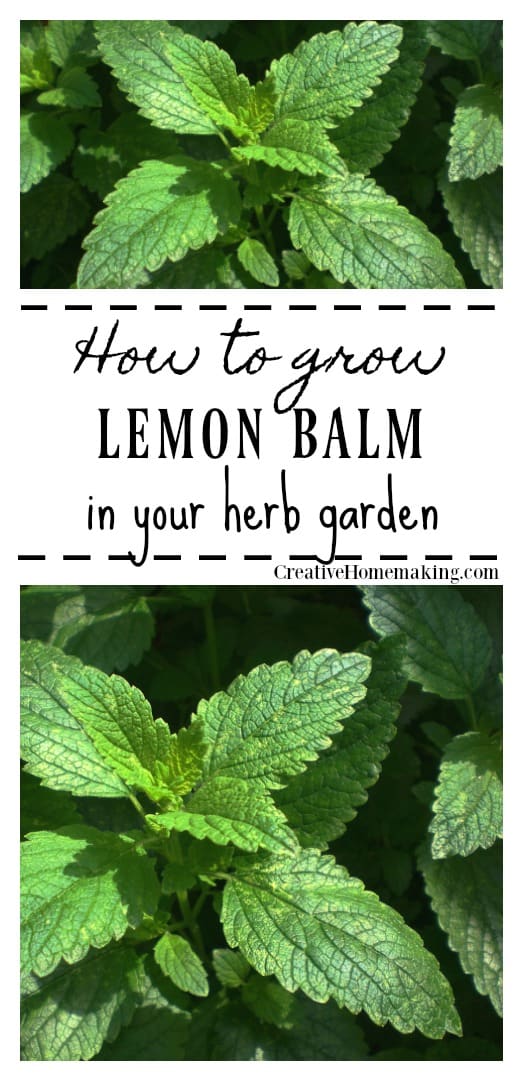
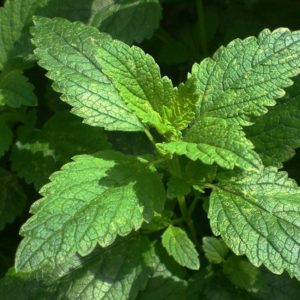
Lemon Balm (Melissa Officinalis) is a hardy bushy perennial with green or gold scalloped leaves, tiny flowers and a lemon scent and flavor.
Growing Lemon Balm
Plant in well drained soil where there is full sun with midday shade. Gold leaf varieties tend to scorch in midday sun and create pale spots on leaves.
Related Article: What Not to Plant with Bee Balm: Avoiding Harmful Companions
Lemon balm is easy to grow from seed, rooted cuttings or by root division. Sow seeds directly into the ground in spring after danger of late frost or sow in seed trays indoors and transplant seedlings into the garden 60 cm (24 inches) apart.
A member of the mint family, but not as invasive as other mints, lemon balm can be divided and replanted in spring or autumn. Lemon balm self-sow’s abundantly from seed. Seedlings are easy to weed out or cut off flower stalks before they set seed. Stem cuttings can taken in spring or early summer.
Want to try making your own jelly at home?
Get my free guide with 8 easy, beginner-friendly jelly recipes you can confidently make.
Plant lemon balm around fruit trees to attract pollinating bees.
Related Article: Growing Lemon Balm in Pots
Harvesting Lemon Balm
Pick leaves as required for immediate use.
For drying in quantity, harvest whole stems of young shoot’s 30 cm (2 inches) long. Dry in the shade. Lemon balm darkens when air dried and the scent and medicinal properties of the herb are reduced slightly.
Related Article: Lemon Balm Tea: A Natural Herbal Infusion You’ll Love
Culinary Uses of Lemon Balm
Lemon balm adds a subtle sweet grassy flavor and a hint of lemon to a variety of foods.
- Lemon balm is an excellent tea herb. Infuse 1 tablespoon of dried herb or 4-5 fresh leaves per cup of boiling water, cover and allow to steep for about five minutes before straining. Add honey if sweetening is required.
- Freeze whole leaves in ice cubes for adding to iced teas, lemonade or in place of lemon slices in alcoholic drinks e.g. Gin and tonic. Fresh crushed leaves may also be used. Add to Indian tea for a hint of lemon.
- Add to blended vinegars e.g. lemon balm and tarragon.
- Add a little lemon or lime juice and chopped lemon balm leaves to cream cheese and mix well.
- Chop fresh leaves into green salads for a refreshing lemon flavor.
- Finely chopped leaves add a lemony flavor to mayonnaise, sauerkraut, stuffing and sauces.
- Spread over chicken before roasting
- Add to fruit salads, jellies, custards, and fruit drinks.
Related Article: How to Dry Lemon Balm Quickly and Easily at Home
Cosmetic Uses of Lemon Balm
- Infuse as a facial steam
- Use lemon balm as a rinse to condition greasy/oily hair.
- Add to bathwater
Aromatic Uses of Lemon Balm
- Mix dried leaves in potpourri.
- Use in herbal pillows.
- Use variegated lemon balm sprigs in fresh bouquets as an accent.
Medicinal Uses of Lemon Balm
Used medicinally lemon balm has carminative, antispasmodic, diaphoretic,
emmenagogue and stomachic properties.
- Place fresh leaves directly onto insect bites and sores. Or apply
in a poultice. - Use as an infusion for relief from chronic bronchial catarrh,
headaches, feverish colds and flu. - Use as a carminative herb for the digestive tract to relieve
cramps, dyspepsia and flatulence.
Jill is a keen gardener who uses herbs extensively in her garden. For more ideas for the home and garden visit https://www.netwrite-publish.com